Where to Go Birding in the Spring

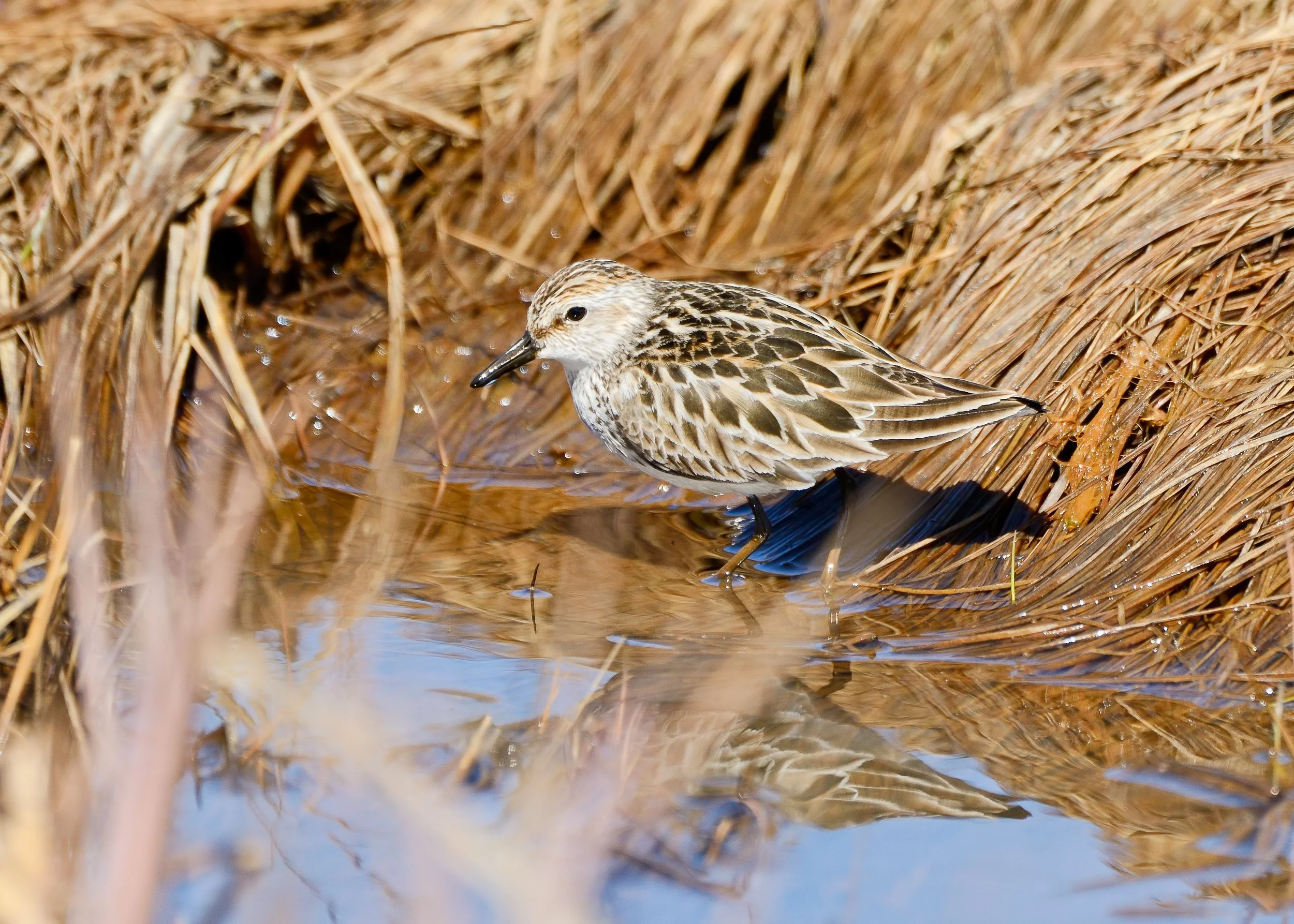
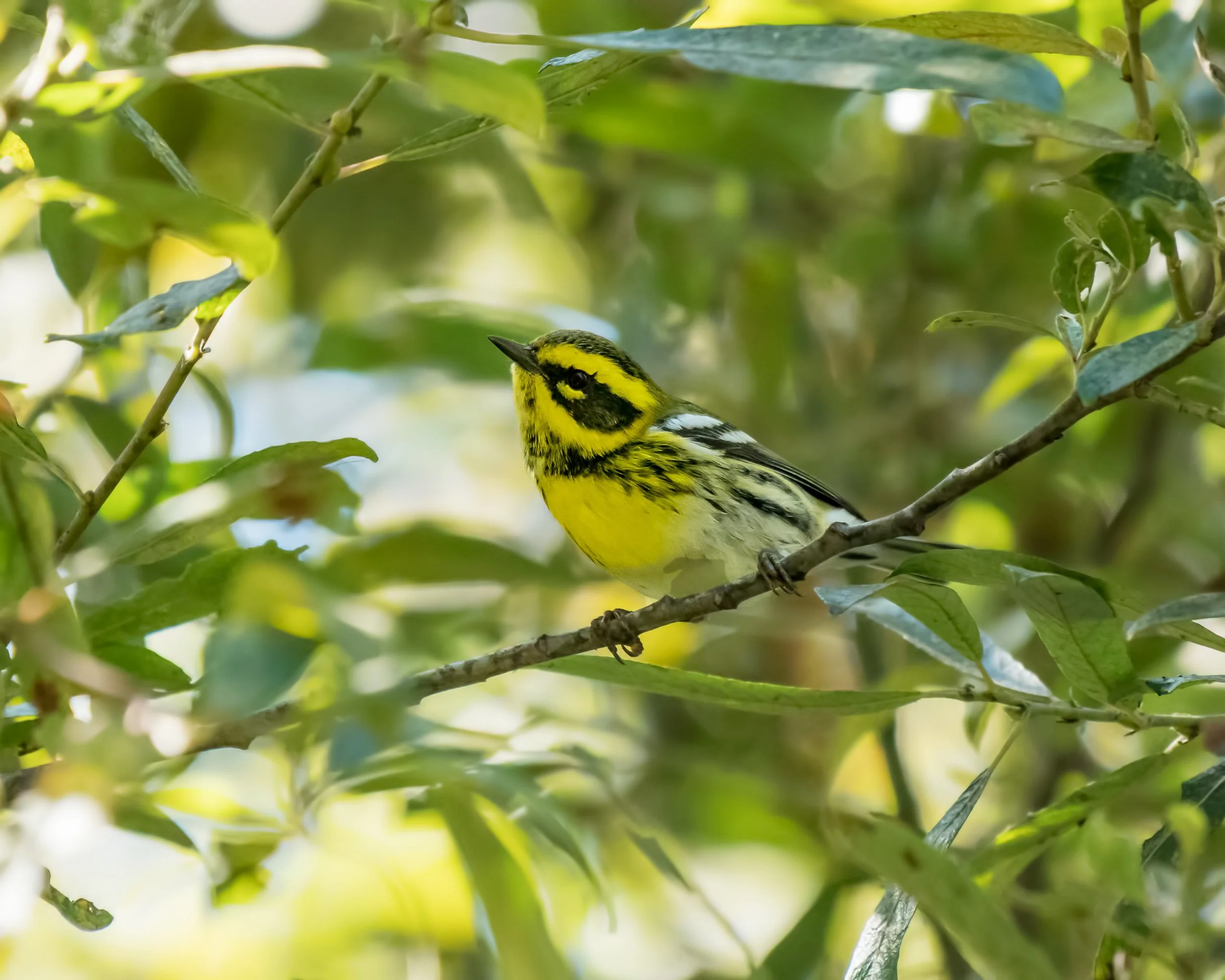
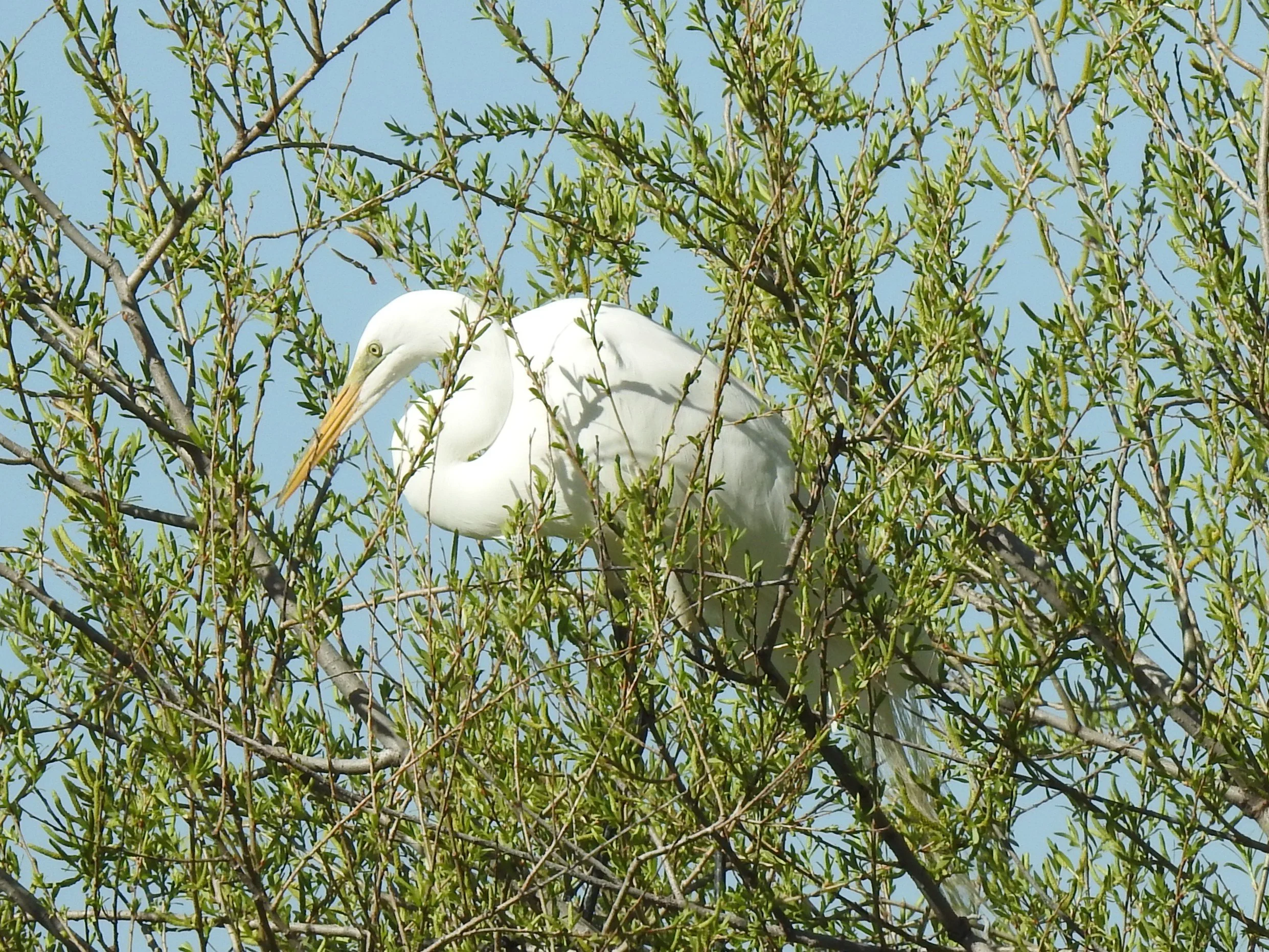
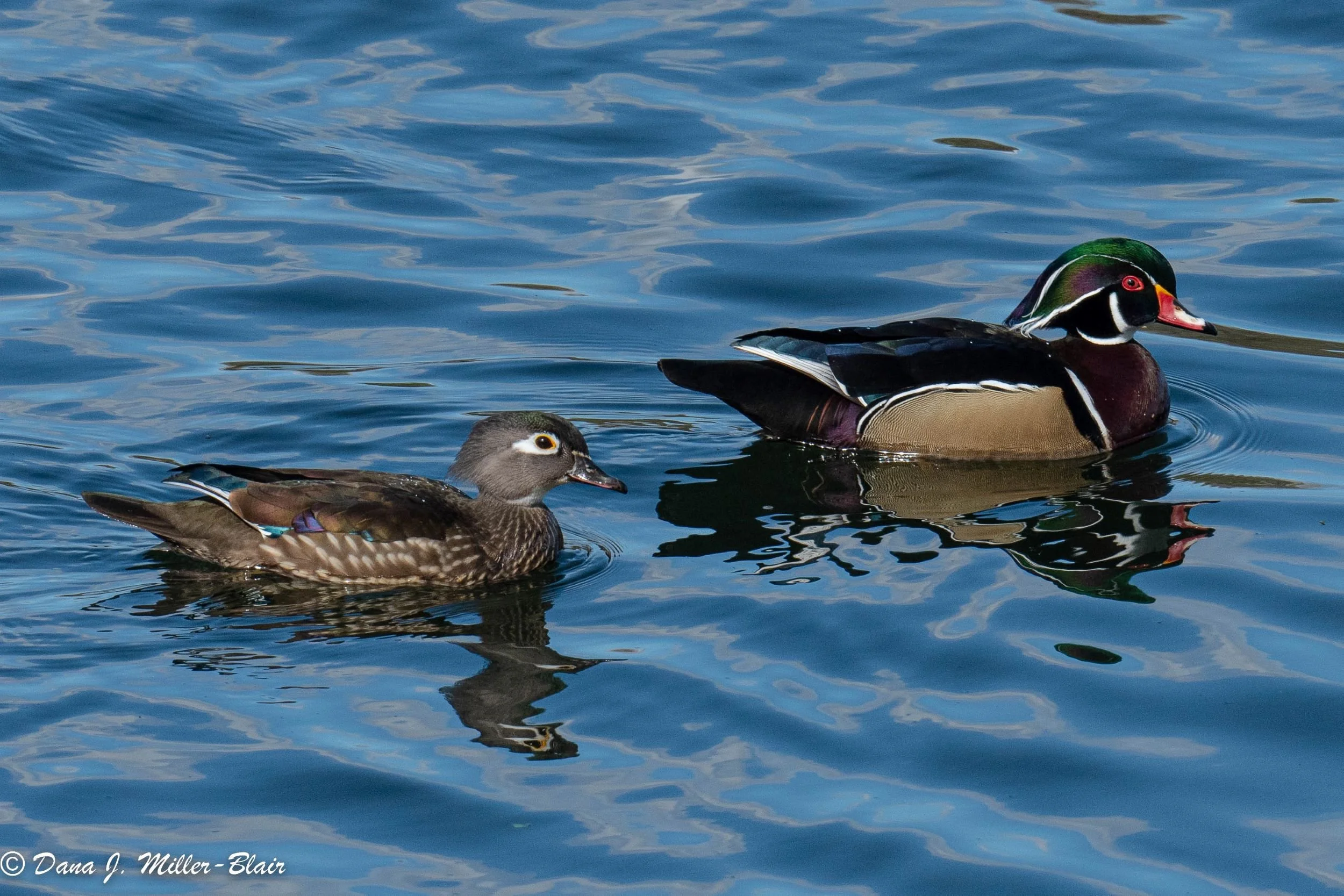
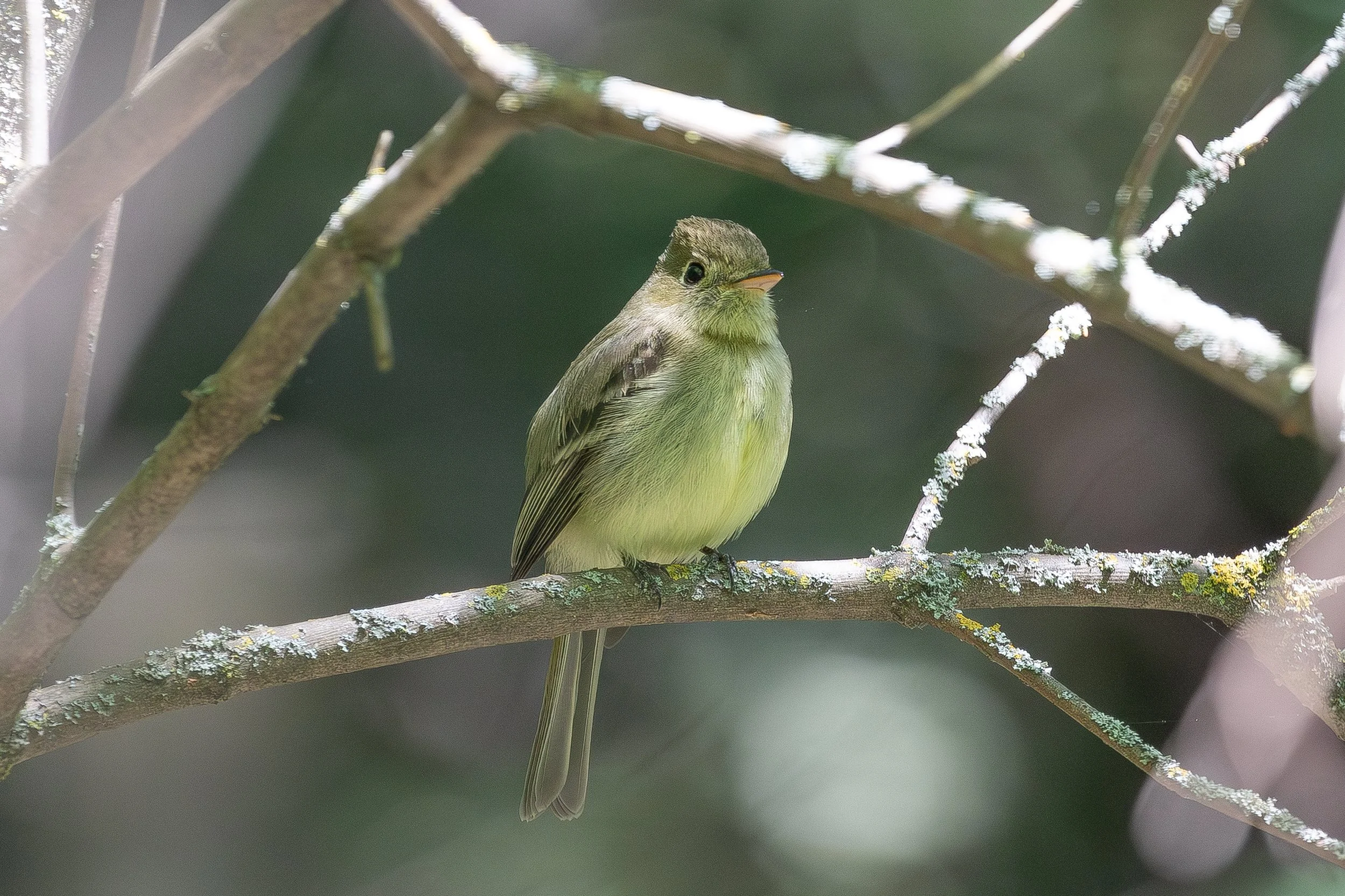
Welcome Spring! As spring arrives many of the ducks and geese that have spent the winter with us are headed for their summer breeding grounds. Migrant warblers and flycatchers drop into the area for a few weeks of excitement, while orioles, kingbirds, and other summer residents begin to arrive. Spring can be one of the birdiest seasons of the year. Here are some of the best local places to enjoy in the spring.

Where to Go Birding in the Summer

In summer the heat drives many of us up into the mountains in search of cooler temperatures, but there are still many wonderful places to bird locally if you get out early enough. Remember to take plenty of water and sunscreen when you check out these recommended summer locations.

Where to Go Birding in the Fall

With fall, we say goodbye to our summer residents and watch with eager anticipation for fall migrants and the first arrivals of overwintering species. Warblers passing through will have us searching the trees. Ducks and geese will soon flood the fields and ponds. Sparrows and kinglets will become our familiar friends again. While the color of some of the birds may be a little more drab than in the spring, we welcome our returning friends all the same. Here are some wonderful areas to go birding in the fall.

Where to Go Birding in the Winter

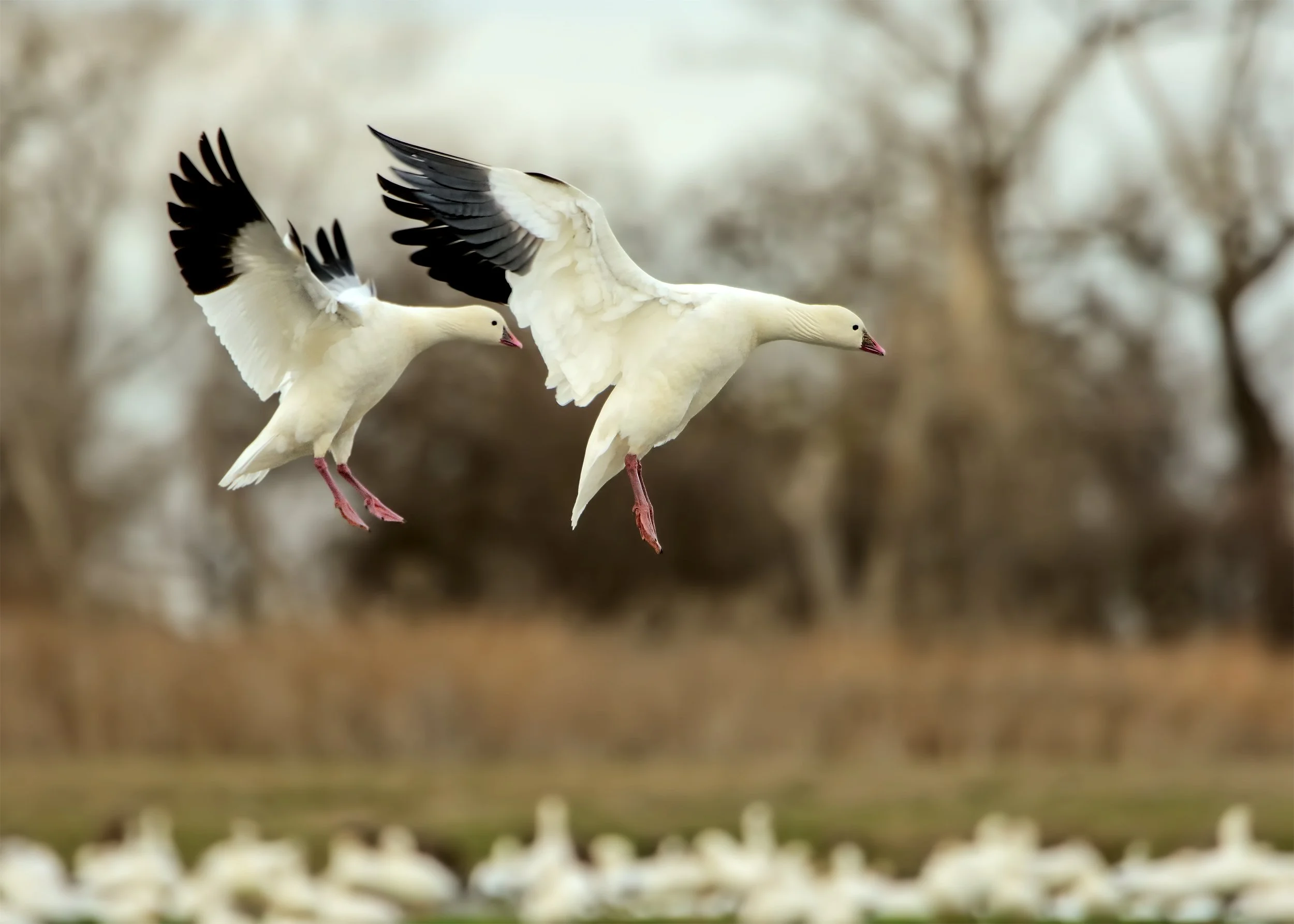
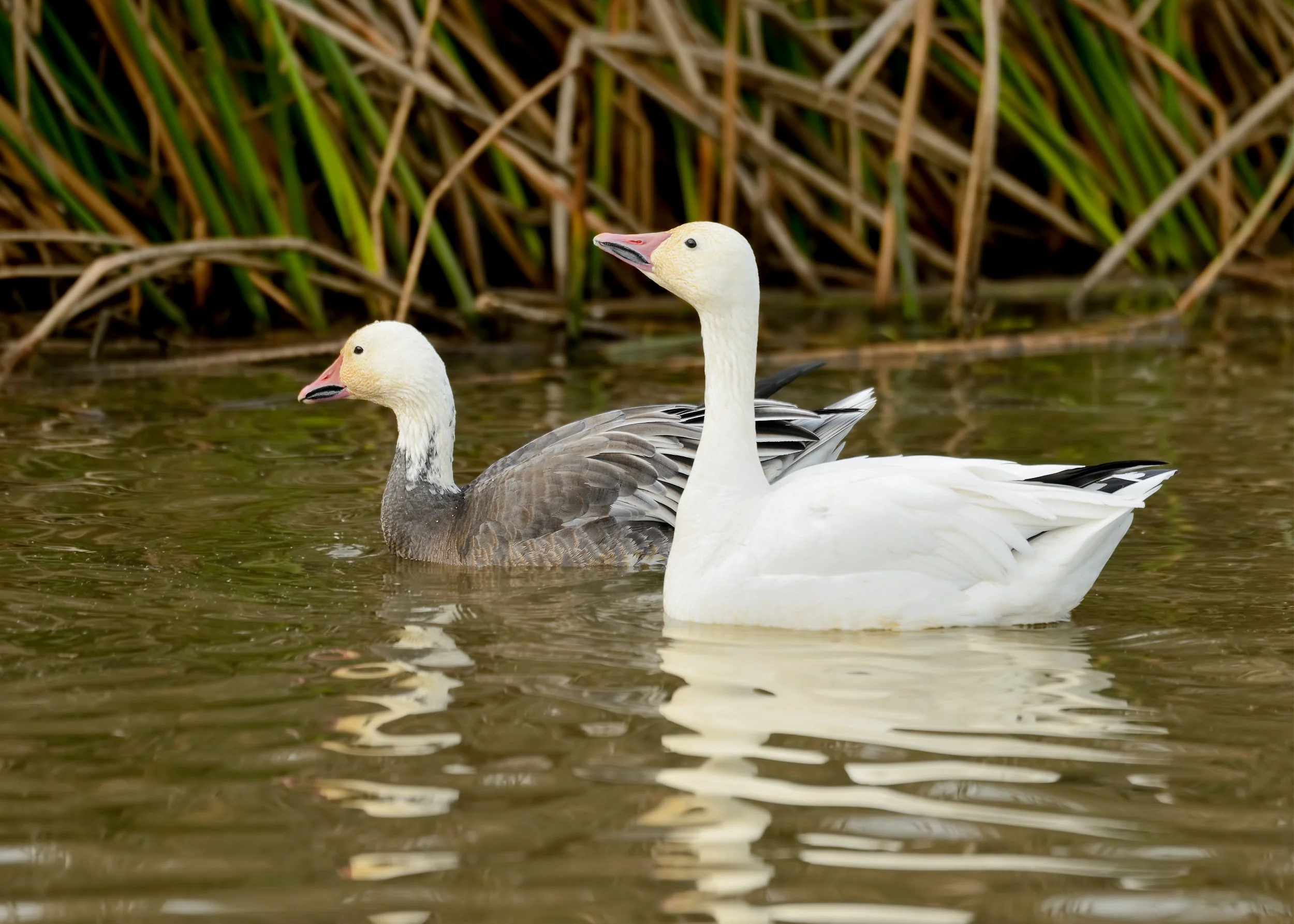
Winter in the Sacramento area is a wonderful time to go birding. Ducks and geese fill the flooded fields and ponds, while the wooded areas resound with permanent and winter residents, such as woodpeckers and sparrows. The weather is generally cool enough that you can start off a little later in the day but be sure to check road and trail conditions before setting out. Here are some great places to bird in the winter.

Where to Go Birding along the American River Parkway

The American River Parkway preserves approximately 5,000 acres of open space and wildlife habitat in the middle of a highly urbanized area—the parkway is five times the size of New York’s Central Park. It stretches for 29 miles along both sides of the American River from the confluence with the Sacramento River to Folsom Lake. The upper 6-mile section is managed by California State Parks while the downstream 23-mile section is managed by the Sacramento County Department of Regional Parks with assistance from a coalition of citizens’ groups. The Parkway is a model  of civic planning and community action, though, like open land everywhere that is adjacent to urbanization, it faces threats of encroachment from numerous sources, as well as financial shortfalls.

Most access points currently require a $8 entrance fee per vehicle, but there are many sites accessible by foot, bicycle, or public transportation. A $70 annual vehicle pass ($35 for seniors 65 and over) can be purchased from the Sacramento County Department of Regional Parks.

A pocket-sized map of the parkway can be purchased on the website of the American River Parkway Foundation. A pdf of this map can be viewed here. Another valuable resource is Biking and Hiking the American River Parkway, published by the American River Natural History Association.

Birders should be mindful of bikes speeding along the trail, homeless camps (especially on the lower third of the parkway), and lush stands of poison oak throughout. Rattlesnakes are fairly common, especially on the upper half of the parkway, and mountain lions have been spotted on a few occasions. If leaving a vehicle unattended, it is wise to park in areas that get regular traffic from other park visitors; break-ins are more likely to occur in isolated lots where there are no witnesses.

Opening and closing hours change seasonally and are posted at each access. Generally, the sites are open from sunrise to sunset. The Jedediah Smith Memorial Trail (also known as the American River Bike Trail) is a paved bike route that runs the length of the parkway and continues past Lake Natoma to Beal’s Point at Folsom Lake. There are additional paved bike routes, a hiking and horse path that parallels the bike trail, and countless informal trails and park service roads to explore. Despite its proximity to over one million people, the parkway is surprisingly under-birded. There are many access points to the parkway in addition to those listed below. We hope that the following will encourage you to explore this wonderful area in Sacramento’s backyard.

Where to Bird Along the American River Parkway

Where to Go Birding in the City of Sacramento

Urban Birding Tour

A tour of urban Sacramento parks begins in William Land Park and continues south. From Interstate 5, exit at Sutterville Road. At the east side of the overpass, go right at the sign for Riverside Boulevard and north (right) to William Land Park. Continue the tour south to the other urban parks. Read about each park individual below or see the entire tour here.

Where to Go Birding in Sacramento County

North Sacramento County

South Sacramento County

Eastern Grasslands and Blue Oak Woodlands

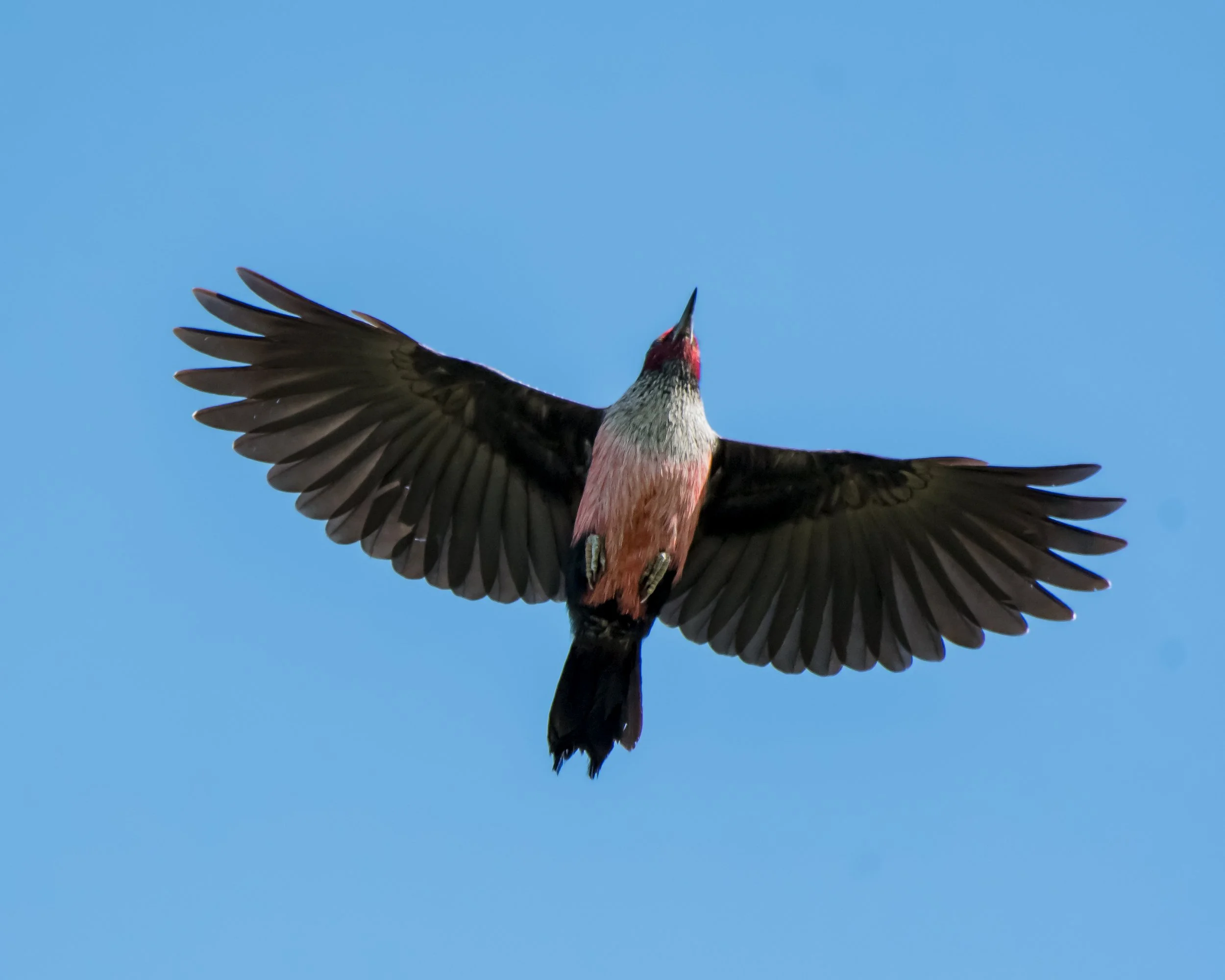
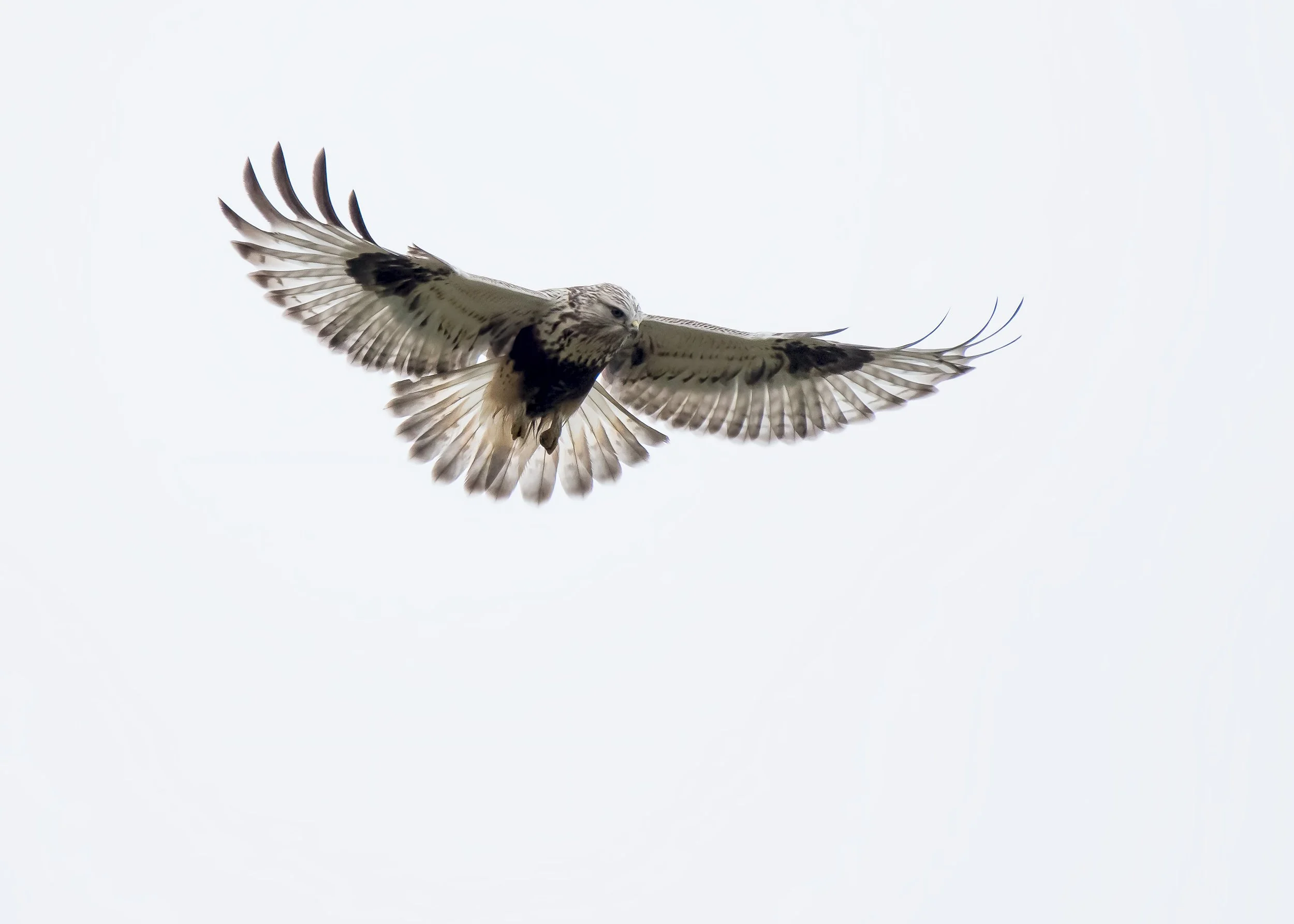
The following five locations include details on great birding areas from fall through spring. They can be combined into a full day of birding, or taken in sections as time allows. The main attraction for most birders is the chance to see winter raptors and Lewis’s Woodpeckers in a relatively natural setting. It must be mentioned that the areas along Scott and White Rock Roads are under extreme development pressure, and the descriptions that follow are of the areas as they exist today. The Sacramento Valley Conservancy spearheaded a multi-partner effort to purchase 4,000 acres through which Latrobe Road travels—Deer Creek Hills. Determined efforts to preserve open space in the southeastern county are vital if we are to continue enjoying these wonderful birding areas.

Note: Scott Road and White Rock Road are experiencing increasingly heavy traffic, so use caution and pull completely off the road when parking.

Where to Go Birding in the Folsom Lake Area

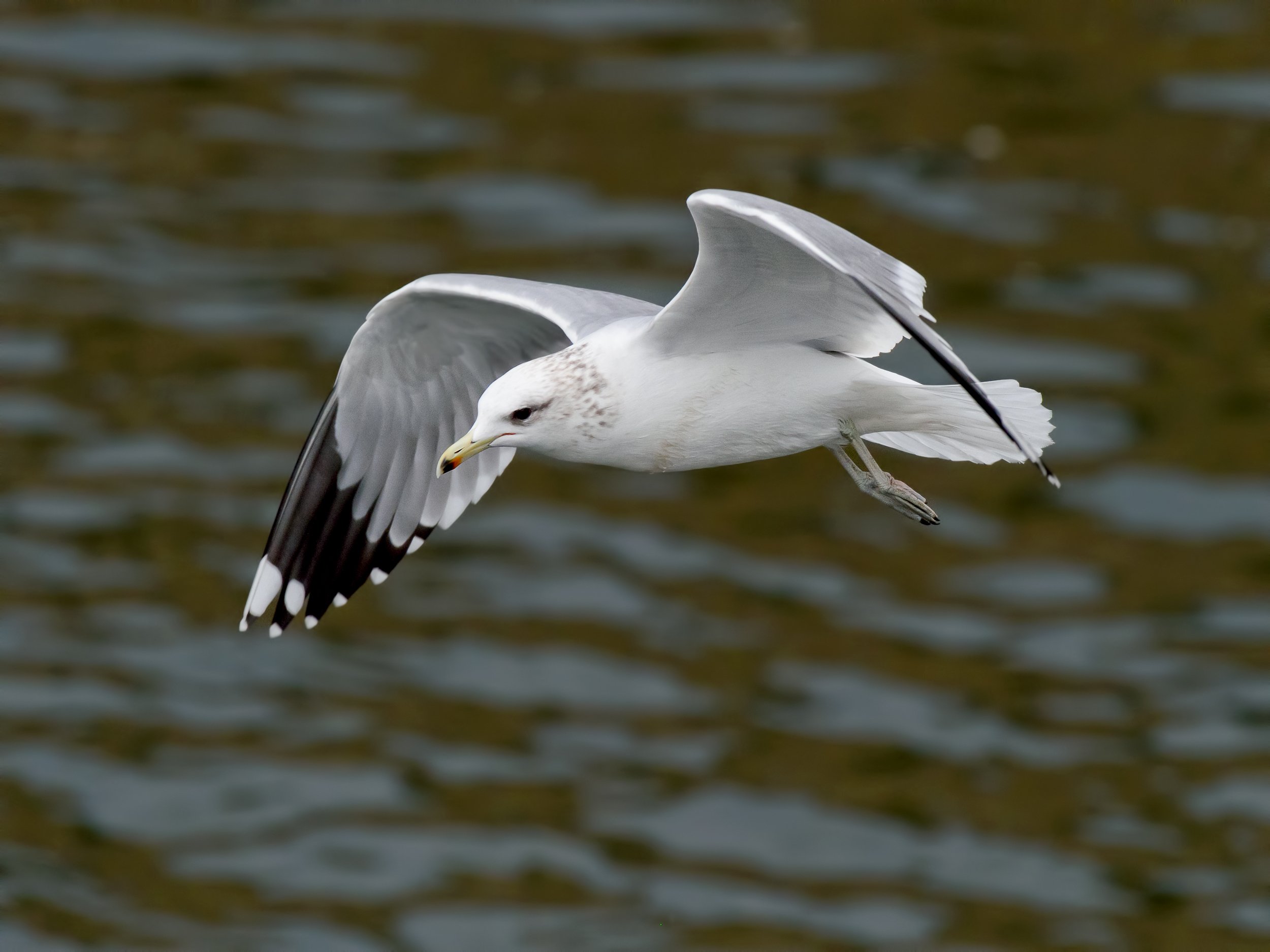
Folsom Lake and other large reservoirs are magnets for water birds and can function almost like inland seas. As many as 100,000 gulls may be found roosting on the lake in winter. Most of them are California Gulls, along with many American Herring and Ring-billed Gulls. With persistence, you can find Short-billed, Iceland, and Glaucous-winged Gulls. With luck you might find a Glaucous Gull or something truly rare. Common Loons are expected in winter, sometimes a dozen or more, while Pacific Loons are seen occasionally. Rarities have included all three species of scoter (fall, winter), Sabine’s Gull (fall), and Common Tern (fall). There are often huge rafts of Western Grebes, which usually include many Clark’s Grebes. Eared Grebes, and, more surprising for an inland location, Horned Grebes can be found in good numbers as well.

In addition to the lake habitat, there are large sections of oak woodland and chaparral ringing the lake, with many miles of trails to provide wonderful birding access. The lake and its surroundings are managed as Folsom Lake State Recreation Area (FLSRA) by California State Parks.

Parking fees for the 16 different parking lots range from $10 to $12 depending on the location. California State Park passes are also accepted at Folsom Lake SRA locations. For the latest on fees and other information, call the district office at 916-988-0205, or visit the FLSRA website.

Cars have been broken into at remote lots. Natural hazards include ticks, poison oak, and rattlesnakes. There are occasional reports of mountain lions.

Folsom Lake - Northwest Area

Where to Go Birding in Yolo County

Davis City Limits

Davis provides several excellent sites for birders. Davis residents can reach them on foot, by bike, or very short drives. A dedicated corps of Yolo Bird Alliance birders covers these sites very well, and rarities are often reported. A small sample of the available birding opportunities follows.

Where to Go Birding North of Sacramento

Placer County

Sutter County

Colusa County

Butte County

Where to Go Birding in San Joaquin and Solano Counties

San Joaquin County

Solano County

Where to Go Birding in the Foothills and Sierra Nevada

Foothills - El Dorado Hills

Foothills - The Coloma Area

Foothills - Auburn Area

Sierra Nevada

Upper Sunrise and the Nimbus Fish Hatchery

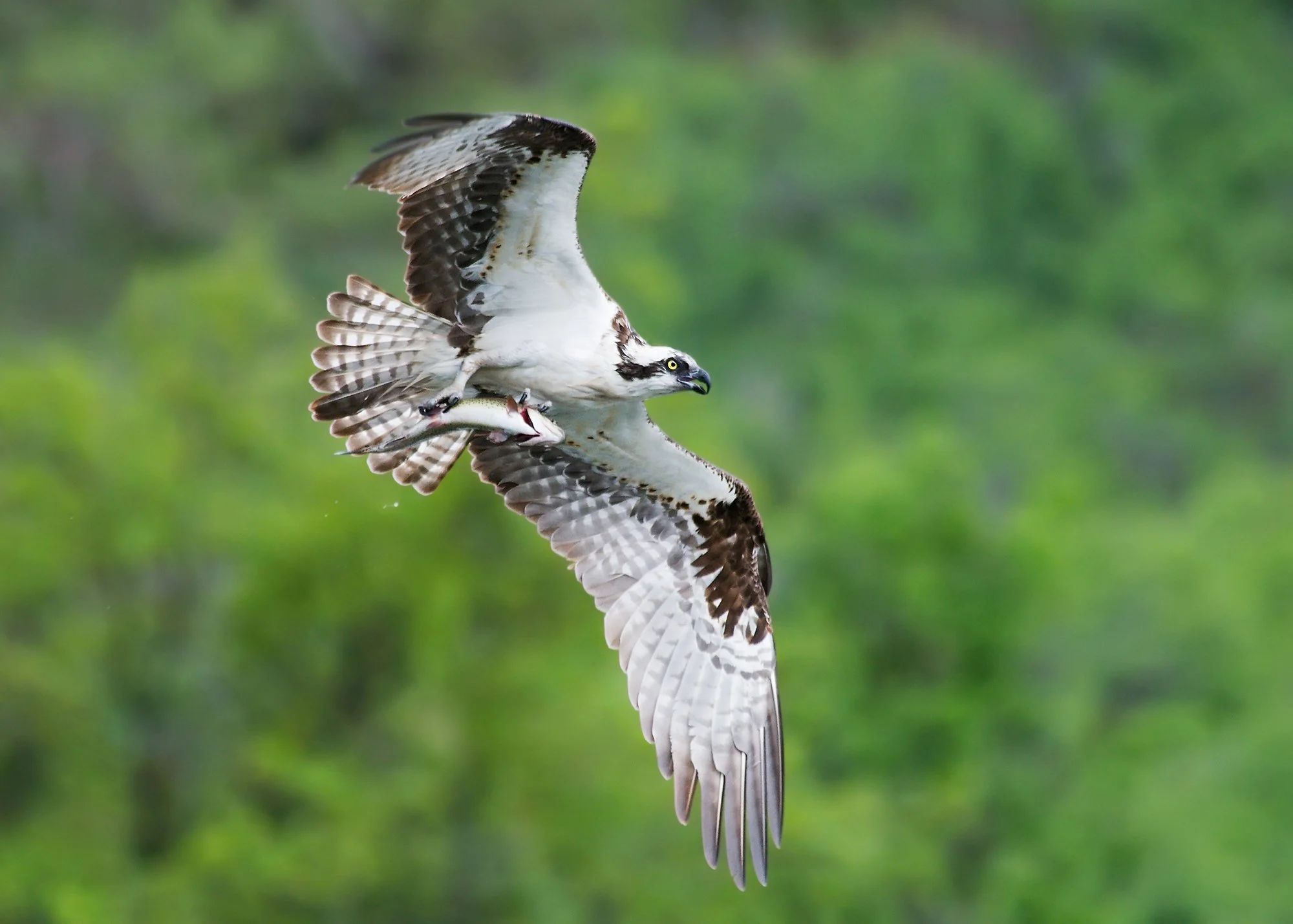
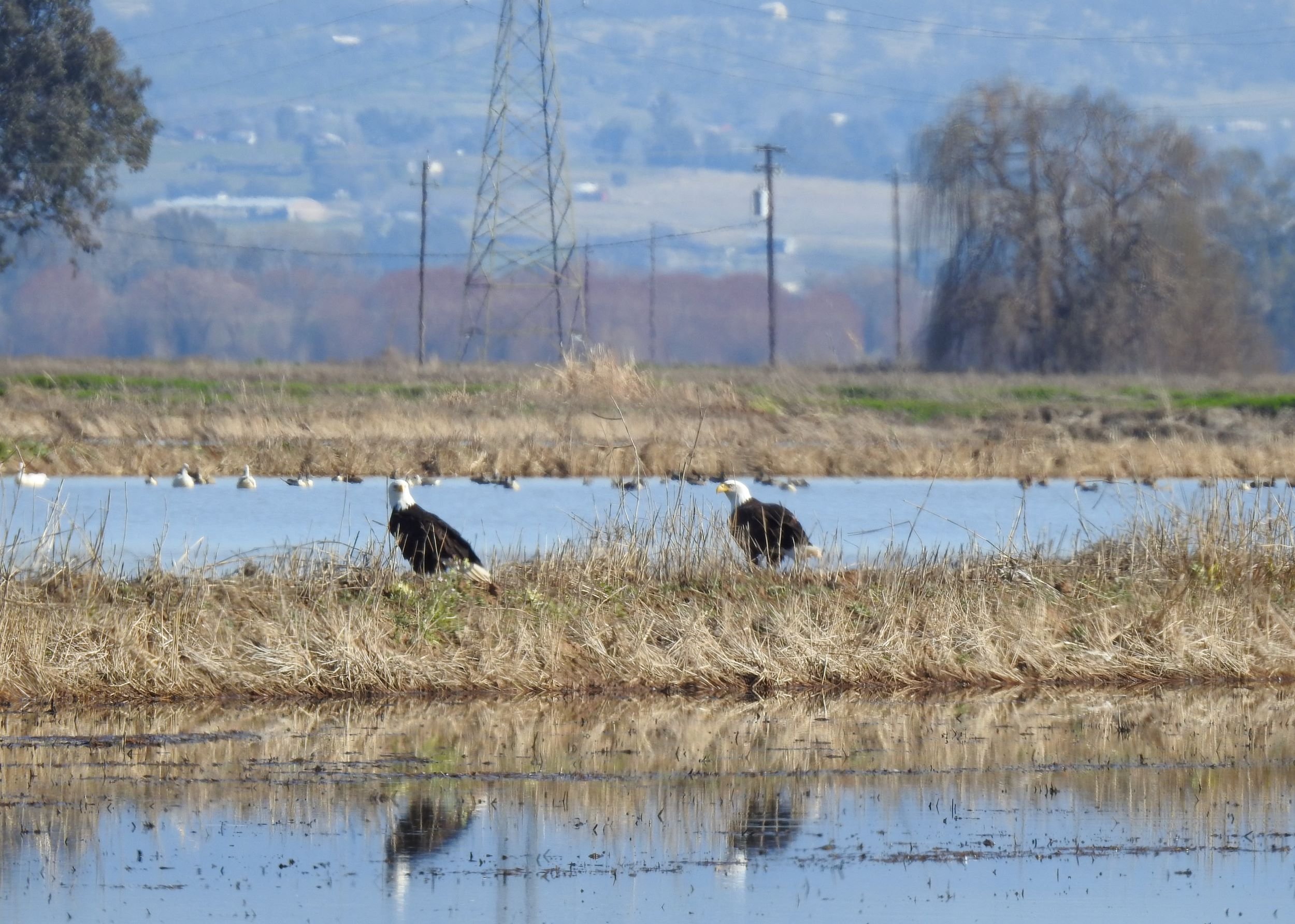
The main Chinook salmon run begins in October, and hundreds of gulls as well as large numbers of Turkey Vultures arrive to feed on the dying fish. This feast may bring in an occasional Bald Eagle. Ospreys are also often seen in winter along with flocks of Common Goldeneye, Common Merganser and the occasional Barrow’s Goldeneye.

Sailor Bar

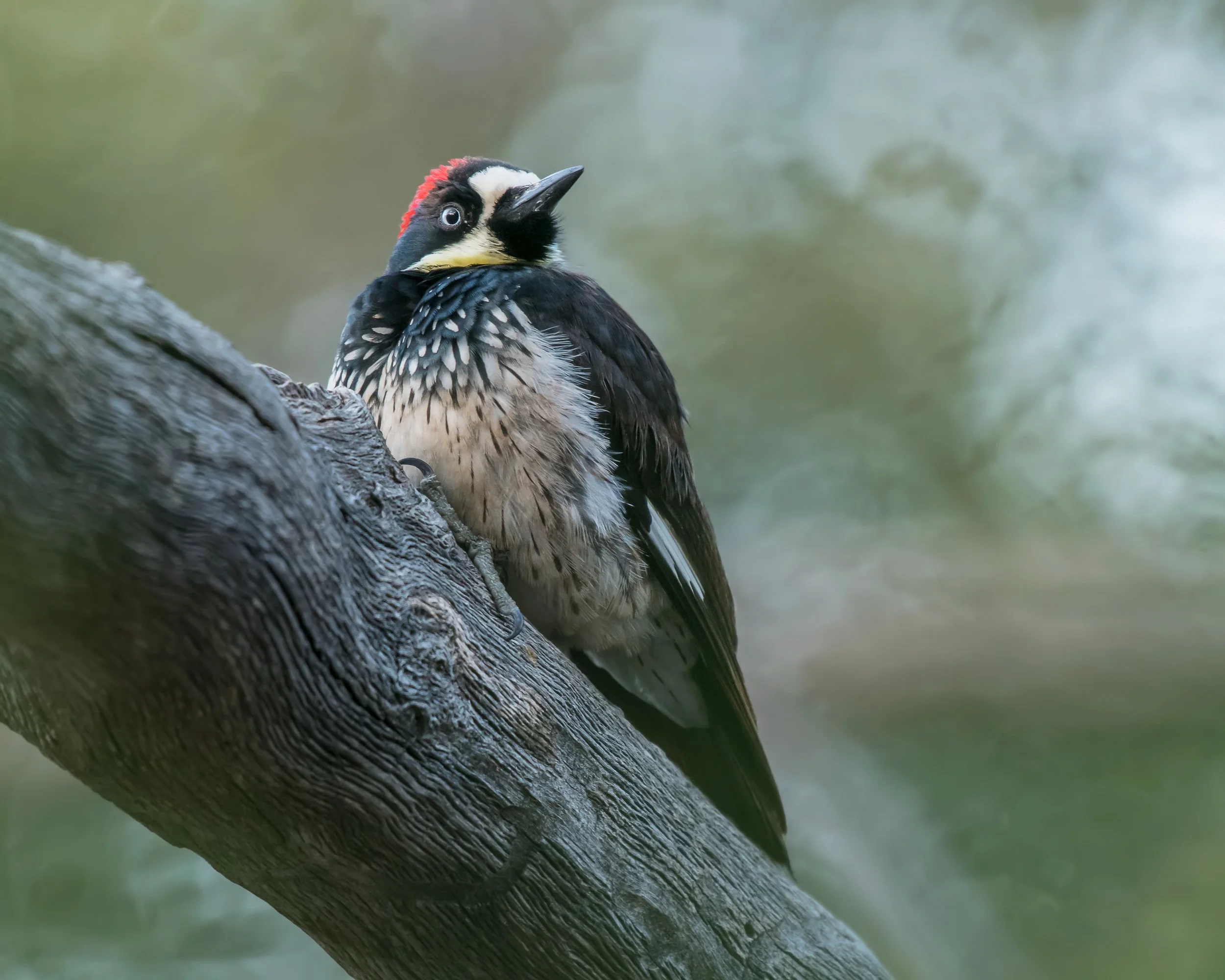
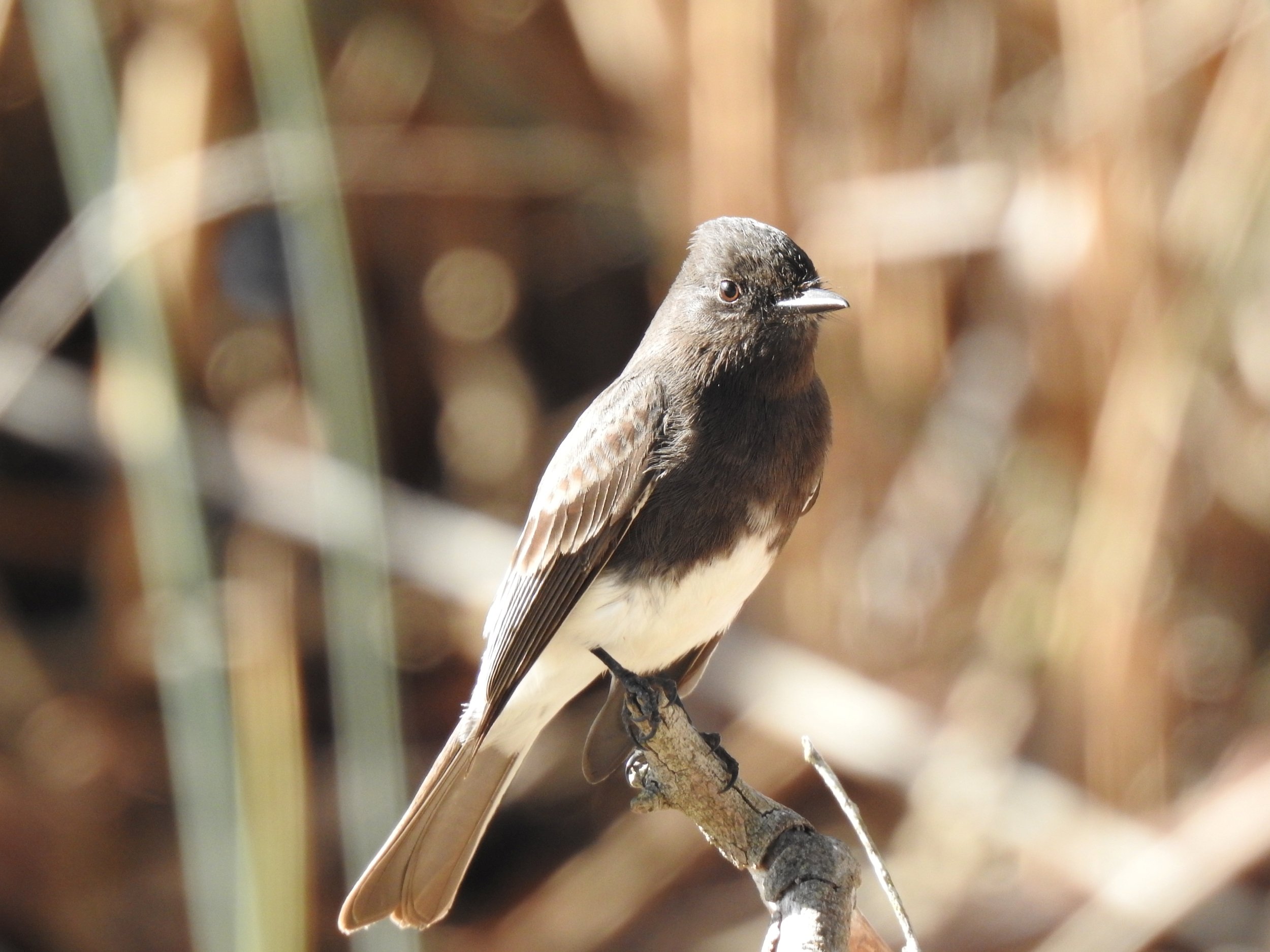
Walk the trails along the river and you may find Spotted Sandpipers, Greater Yellowlegs, Great Blue Herons, and Great Egrets hunting at the water's edge while Wood Ducks and Common Mergansers float along. Black Phoebes, Bushtits, and Acorn Woodpeckers are seen year-round. In the spring and summer, Ash-throated Flycatchers, Western Kingbirds, and Bullock's and Hooded orioles are all possibilities.

Lower Sunrise Area

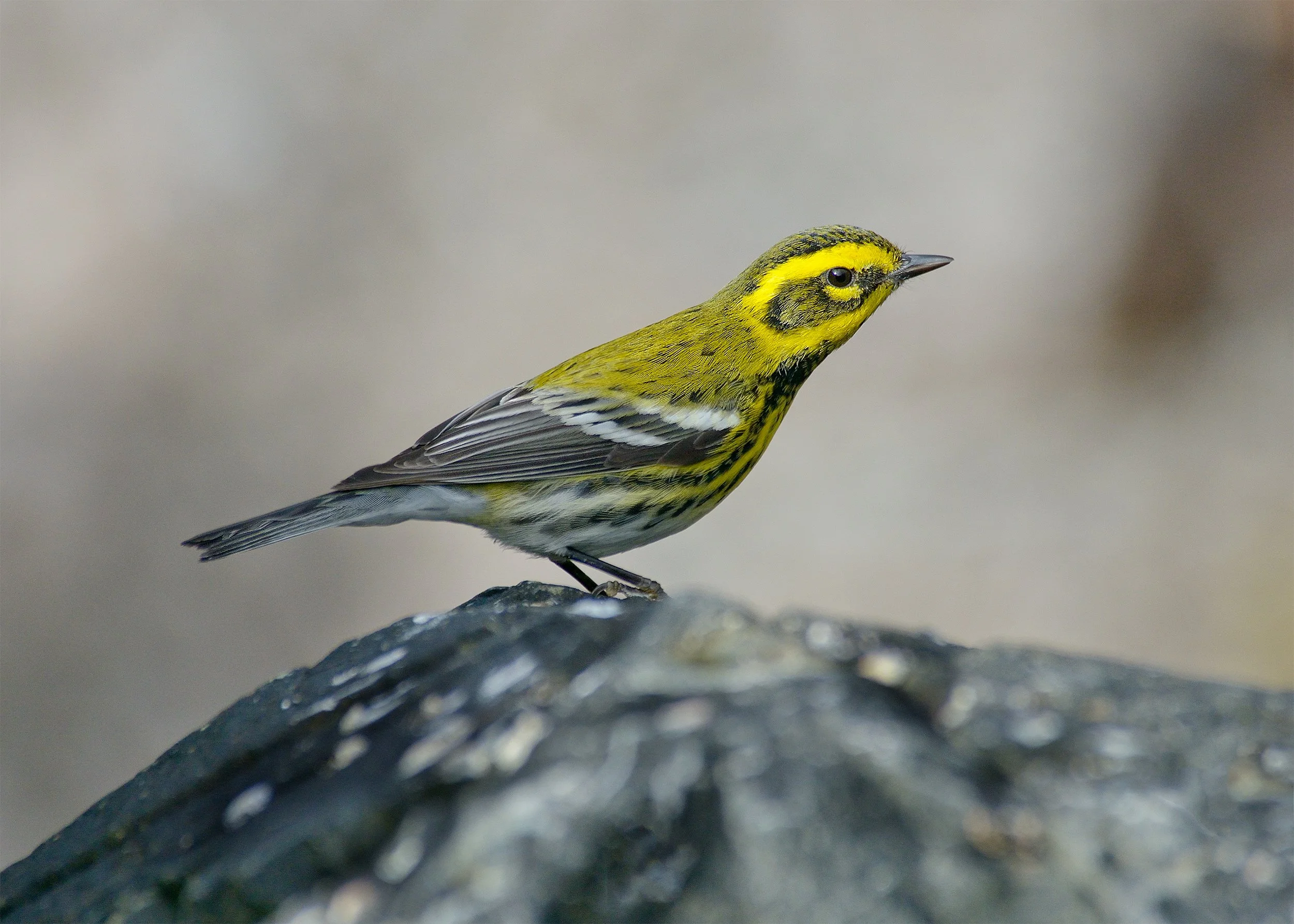
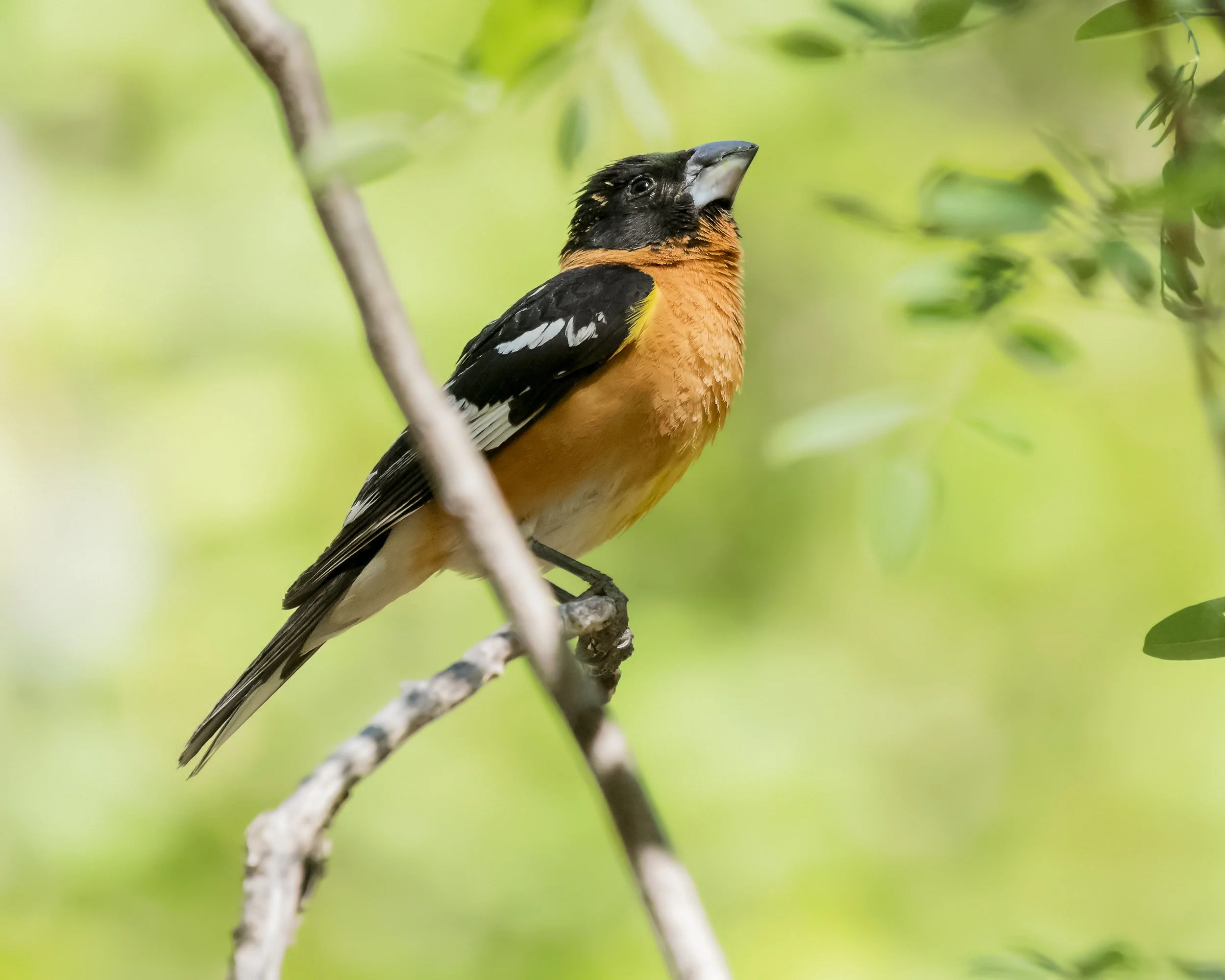
In the fall and spring, migrating songbirds such as Townsend’s, Hermit, Nashville, and Wilson’s warblers, as well as Bullock’s Orioles, and Black-headed Grosbeak may be spotted. In winter, California, American Herring, and Ring-billed gulls are the most common species. One might also see less common Glaucous-winged, Iceland, or Short-billed gulls.

Sacramento Bar and Bannister Park

This is a large area on the north side of the river across from the Lower Sunrise Area that can easily satisfy a half-day of birding. There is a similar mix of habitats—cottonwood and willow riparian, interior live oak forest, and open areas with gravel tailings—but there is a wider corridor of habitat and numerous trails to get away from the crowds.
Rossmoor Bar

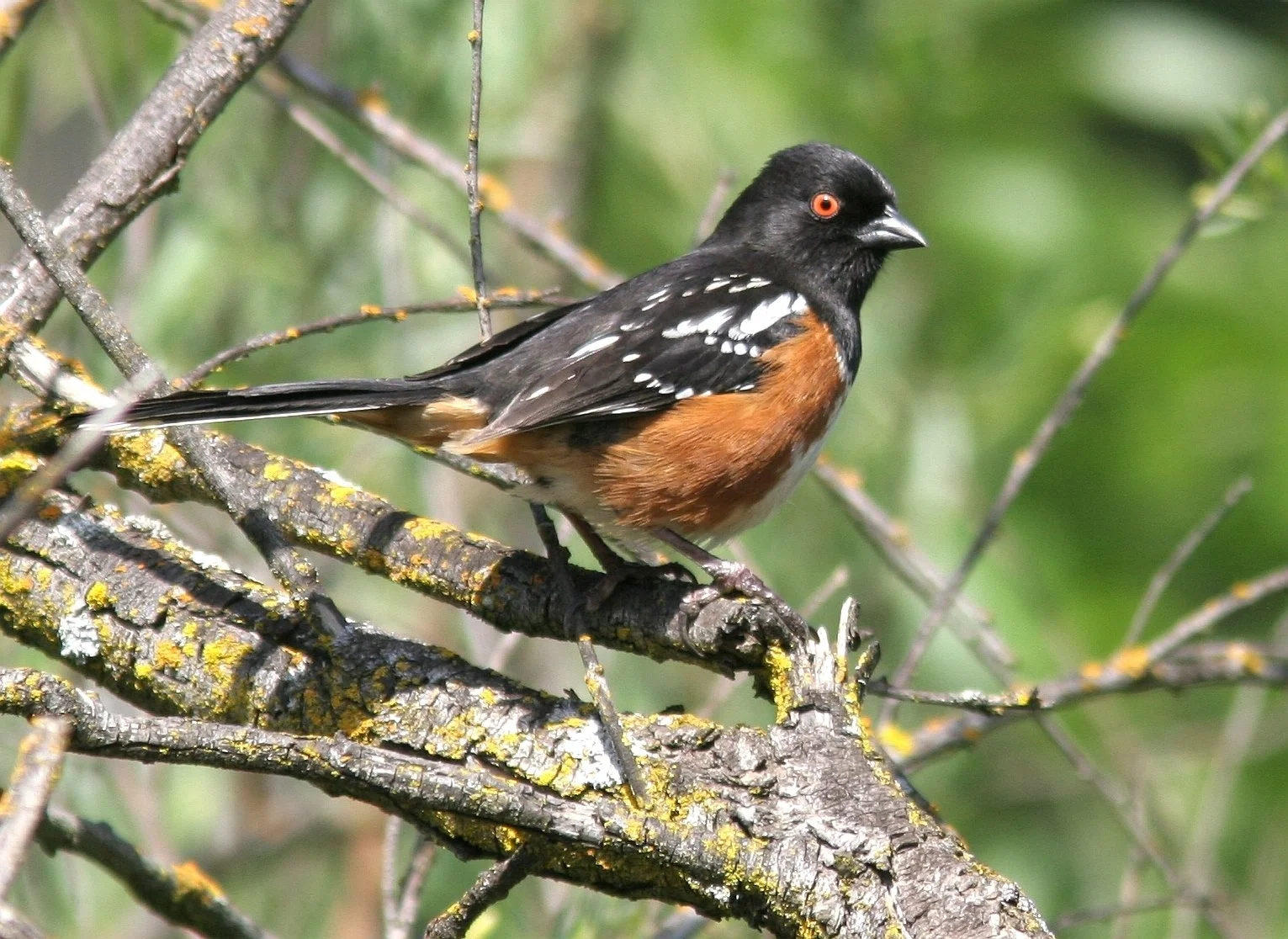
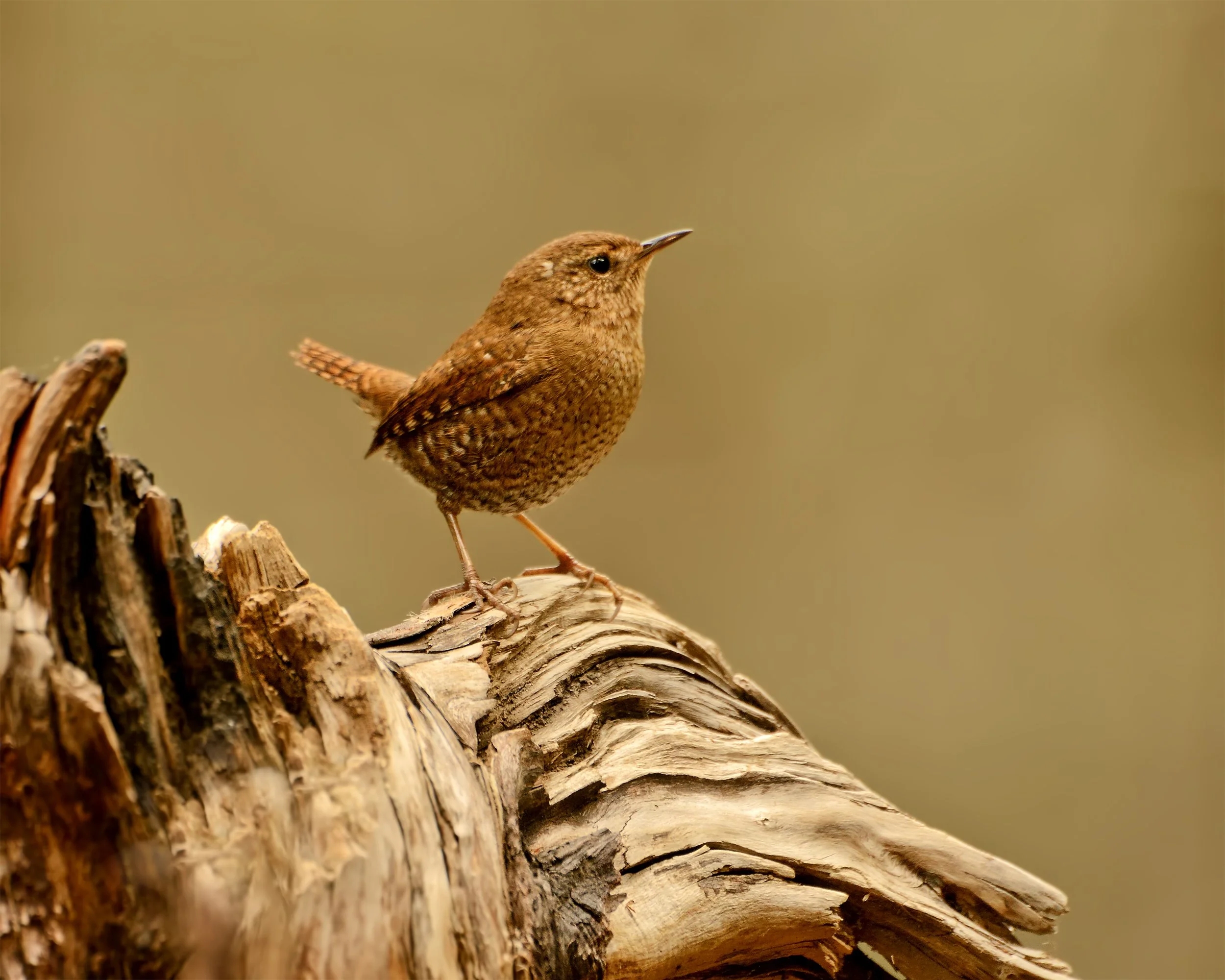
Wild Turkeys and black-tailed deer can be seen along the road, while patches of vegetation hold common species such as Anna’s Hummingbird, Bewick’s Wren, and Spotted Towhee. A few large cottonwoods have managed to grow in the otherwise gravelly and hard soil; they have been known to hold raptor nests.
Effie Yeaw Nature Center

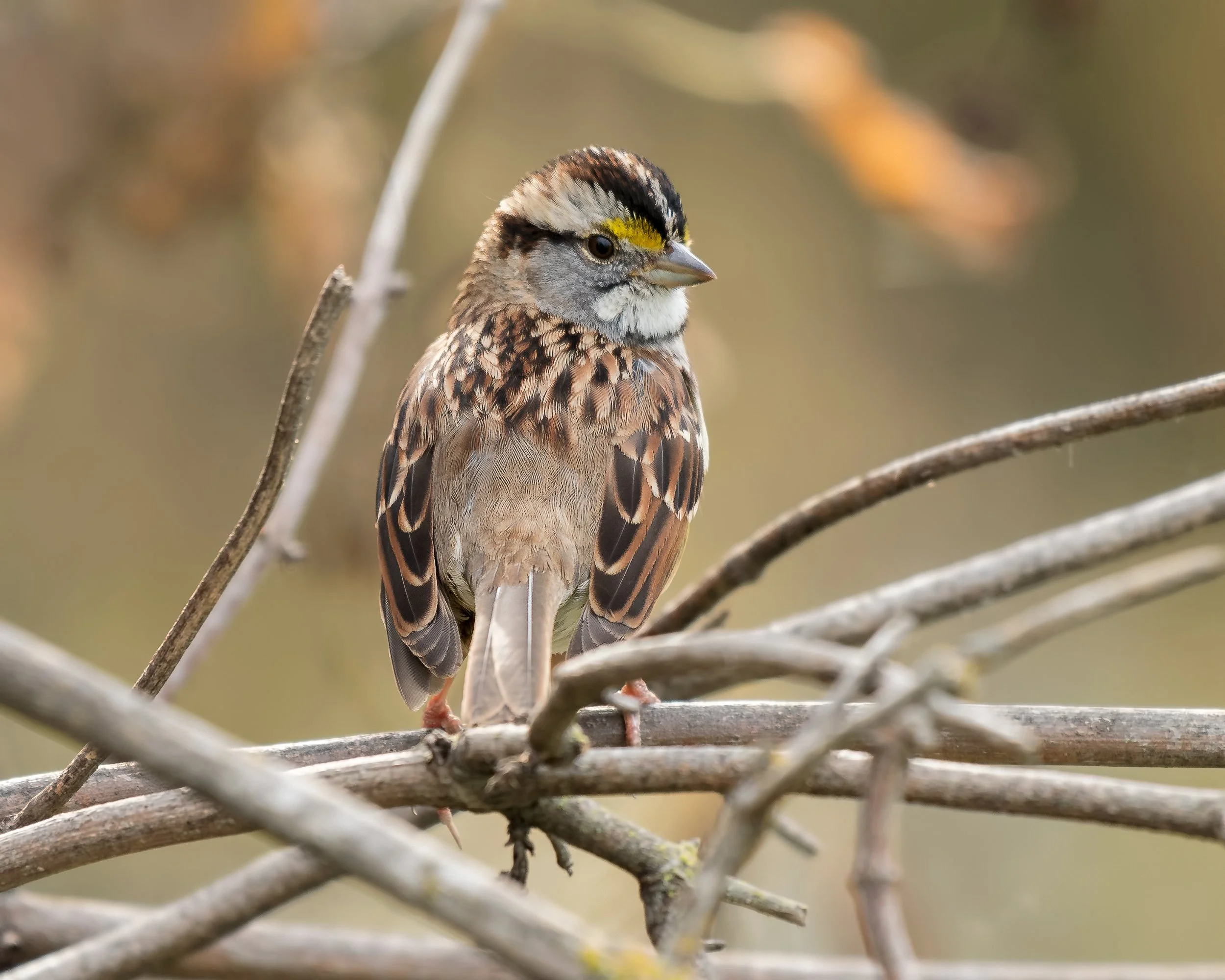
More than 70 acres of riparian woodland adjacent to the Effie Yeaw Nature Center (EYNC) have been preserved as a nature study area within the American River Parkway. Because this birding spot is easy to reach and includes a variety of habitats, it is possible to sight more than 100 species during the course of a year. In the spring, migrating warblers move through the woods. The crowned sparrows return each fall, and winter brings the goldeneyes back to the river.

River Bend Park

River Bend Park has a variety of habitats with trails throughout. You can walk along the American River in search of goldeneyes or sandpipers; search the woods for woodpeckers, sparrows, and wrens; or explore the open areas for raptors soaring in the sky and hummingbirds flitting among the bushes.

William B. Pond Recreation Area

Known for its diverse habitats, William B. Pond has fast flowing water where riffles and gravel bars are present, sandy riverbanks, riparian woodlands, a nesting rookery, open areas and woodlands edges, plus a wonderful urban park. All these habitats draw in a great variety of birds. Physically handicapped birders can access the large pond via a specialized accessible pier and ramp. Paved walking trails gently slope around the park.